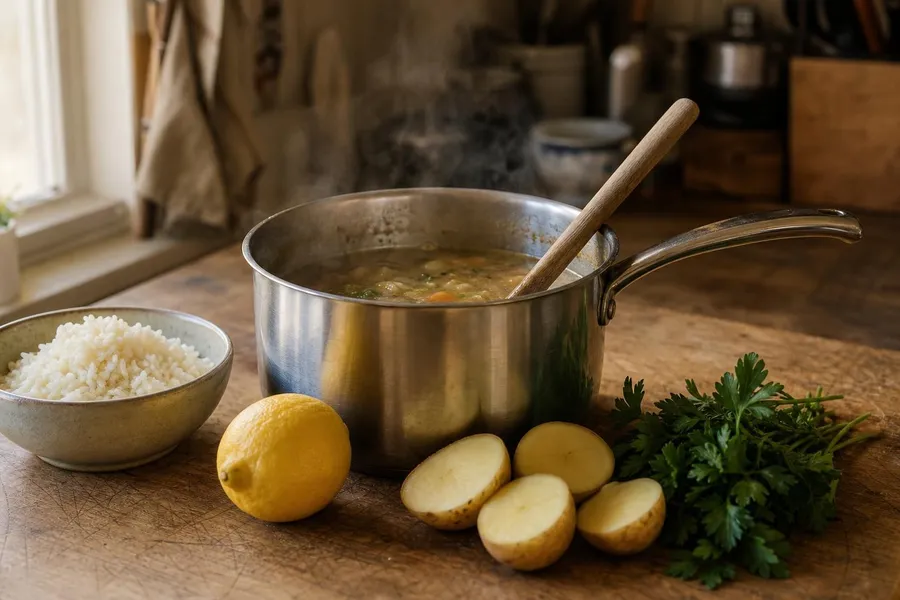
What is salvaging a too-salty dish without starting over? It means reducing the perceived saltiness of a finished or nearly finished recipe by diluting, balancing, separating, or serving it with unsalted ingredients instead of throwing it out. Salvaging a too-salty dish without starting over is usually possible for soups, sauces, stews, braises, grains, beans, casseroles, and even some meats. The best fix depends on the dish’s texture, how salty it is, and whether you can safely add volume. This guide explains practical rescue methods, what not to try, and how to prevent oversalting the next time you cook.
Quick summary
The most reliable fix is dilution: add unsalted liquid, vegetables, grains, beans, dairy, or more of the unsalted base.
A small amount of acid, fat, or sweetness can make mild saltiness taste more balanced, but it does not remove sodium.
The raw potato trick is unreliable. It absorbs salty liquid, not salt by itself.
For sauces and soups, remove part of the salty liquid first, then rebuild with unsalted liquid or dairy.
When a dish cannot be changed, serve it with unsalted rice, pasta, potatoes, bread, salad, or vegetables.
Why food tastes too salty
Saltiness can come from more than the spoonful of salt you added. In American home kitchens, common high-sodium ingredients include boxed broth, bouillon, soy sauce, Worcestershire sauce, bacon, ham, sausage, canned beans, canned tomatoes, cheese, pickles, olives, seasoning blends, and jarred sauces. The FDA notes that much of the sodium in the U.S. diet comes from packaged and prepared foods, which is why a recipe can become salty before table salt enters the pot.
Salt also concentrates as water evaporates. A soup that tastes nicely seasoned at the beginning of a long simmer can become harsh after it reduces. The same thing happens to pan sauces, tomato sauces, gravies, and braising liquid. If you season early and then cook uncovered for a long time, the water leaves but the salt stays behind.
Taste before you fix
Before making big changes, taste a small spoonful after the food has cooled slightly. Very hot food can dull flavor perception. Also ask whether the dish is truly too salty or just flat, bitter, spicy, sour, or lacking freshness. If the salt is moderate, a balancing move may be enough. If every bite tastes aggressively salty, you need dilution or separation.
The best fixes by type of dish
Dish type | Best first move | Helpful add-ins |
|---|---|---|
Soup or stew | Add unsalted liquid or more unsalted vegetables | Water, unsalted broth, potatoes, carrots, beans, rice |
Tomato sauce | Increase the unsalted tomato base | No-salt-added tomatoes, sautéed onion, olive oil, basil |
Gravy or pan sauce | Remove some sauce and rebuild | Unsalted stock, cream, butter, cornstarch slurry |
Rice, pasta, or beans | Drain if possible and add unsalted volume | Unsalted cooked grains, vegetables, herbs, lemon |
Meat or poultry | Slice thin and serve with unsalted sides | Plain rice, mashed potatoes, slaw, yogurt sauce |
How to dilute without making the dish watery
Dilution works because it spreads the salt across more food. The trick is to add volume that belongs in the recipe, not random bulk that makes dinner bland. Start small. Add about 10 to 20 percent more unsalted base, simmer briefly, then taste again. For a quart of soup, that might mean 1/2 cup of water or unsalted stock plus a handful of vegetables. For tomato sauce, it may mean one small can of no-salt-added tomatoes.
Use liquid plus body
Adding only water can reduce saltiness but may thin the texture. Pair liquid with body whenever possible. Add unsalted beans to chili, cooked rice to soup, puréed vegetables to sauces, or an unsalted roux to gravy. For creamy soups, unsalted milk, half-and-half, plain yogurt, or unsalted stock can soften saltiness while keeping the mouthfeel satisfying.
Turn the heat to low so the dish stops reducing.
Add a small amount of unsalted liquid or base.
Add compatible unsalted solids if the texture becomes thin.
Simmer just long enough to blend flavors, then taste.
Repeat only if the dish still tastes too salty.
Balancing saltiness with acid, fat, or sweetness
If the dish is only slightly too salty, balance may work better than dilution. A splash of lemon juice, lime juice, vinegar, wine, or tomato can brighten a soup or sauce so the salt feels less dominant. This is especially useful in bean soups, lentils, tomato sauces, chili, braises, and rich stews. Add acid in tiny increments because too much can make the dish sharp.
Fat can also round off saltiness. Cream, coconut milk, olive oil, unsalted butter, sour cream, avocado, or full-fat plain yogurt may help a dish taste softer. Sweetness can help in tomato sauce, barbecue sauce, chili, curry, or vinaigrette, but it should be subtle. A pinch of sugar, a spoonful of grated carrot, or a small drizzle of honey can help when the recipe already has room for sweetness.
What balance can and cannot do
Balancing changes perception, not sodium content. If someone at the table is following medical advice to limit sodium, balancing a salty dish does not make it a low-sodium meal. In that case, the safer approach is to serve a small portion with plenty of unsalted sides or choose another option.
Should you add a potato to absorb salt?
The potato method is one of the most repeated kitchen tips, but it is often misunderstood. A raw potato placed in soup will absorb liquid as it cooks, and that liquid contains salt. However, the potato does not selectively pull out salt while leaving water and flavor behind. When you remove the potato, you remove some seasoned liquid, but the remaining soup may still be salty.
Potatoes can still help when they become part of the finished dish. If potato belongs in your soup, stew, curry, or chowder, dice it and cook it in the pot. It increases volume, adds starch, and makes the dish feel less salty per bite. If potato does not belong, a better choice is usually water, unsalted stock, extra vegetables, or a separate unsalted side.
Fixing soups, stews, and chili
Soups and stews are the easiest salty dishes to rescue because they can accept more liquid and solids. First, stop reducing the pot. If the dish is very salty, ladle out one or two cups of broth before adding anything else. Replace that liquid with water, unsalted stock, or a homemade broth that has not been salted. If the flavor becomes thin, add aromatics such as sautéed onion, garlic, celery, carrots, bay leaf, herbs, or a small amount of acid at the end.
For chili, add unsalted canned tomatoes, drained no-salt-added beans, cooked ground meat without seasoning, corn, or roasted vegetables. For chicken noodle soup, add more water or unsalted broth, then add noodles or rice separately so they do not soak up all the liquid. For chowder, add milk, cream, potatoes, or unsalted corn to stretch the seasoning.
Fixing sauces, gravies, and reductions
Sauces are trickier because they depend on concentration. A salty pan sauce or gravy often needs to be partially removed and rebuilt. Spoon out half the sauce, then add unsalted stock, water, wine, cream, or milk to the remaining portion. Thicken it again with a cornstarch slurry, a beurre manié made with unsalted butter and flour, or a short simmer. Do not keep reducing the sauce unless the salt level is already fixed.
For tomato sauce, add no-salt-added tomatoes, tomato purée, roasted peppers, sautéed mushrooms, or unsalted cooked ground meat. A little olive oil can soften the edge, and a small pinch of sugar can smooth acidity, but the main correction should be more unsalted tomato base. For pesto, olive tapenade, or cheese-heavy sauces, serve smaller amounts with plain pasta, vegetables, or bread rather than trying to dilute the entire batch.
Fixing salty meat, poultry, seafood, and vegetables
Once salt has penetrated meat or seafood, it is hard to remove. For oversalted cooked chicken, pork, steak, or fish, do not add more salty sauce. Slice the protein thinly and use it as one component in a larger plate. Tuck it into tacos with unsalted cabbage and avocado, fold it into fried rice made with unsalted rice and vegetables, or serve it over plain potatoes or grains.
If roasted vegetables are too salty, combine them with unsalted vegetables or grains. Salty roasted broccoli can become part of a grain bowl with plain quinoa and lemony yogurt sauce. Salty mushrooms can be chopped into an unsalted omelet filling. For oversalted mashed potatoes, make a second small batch without salt and combine the two, or fold in unsalted dairy if the potatoes can handle the extra moisture.
Smart serving strategies when the recipe cannot be changed
Sometimes the dish is finished, the texture is fragile, or there is no time to cook more ingredients. In that situation, build balance on the plate. Serve the salty component in smaller portions and surround it with unsalted or lightly seasoned foods. This works especially well for salty braises, curries, stir-fries, sausages, meatballs, dips, and casseroles.
Serve salty stew over plain rice, grits, polenta, noodles, or mashed potatoes.
Pair salty meat with an unsalted salad dressed with lemon and olive oil.
Turn salty beans into tacos with plain tortillas, cabbage, avocado, and lime.
Use salty sauce as a condiment instead of a main component.
Repackage salty leftovers into soup, hash, casseroles, or grain bowls with unsalted ingredients.
Common mistakes that make saltiness worse
The biggest mistake is trying to cover salt with stronger flavor. Adding more cheese, soy sauce, bouillon, hot sauce, seasoned breadcrumbs, pickles, olives, or salted butter usually increases sodium and makes the problem worse. Heat can also mislead you. If you keep simmering while deciding what to do, the food may reduce further and taste saltier.
Another mistake is adding sugar too aggressively. Sweetness can help a tomato sauce or barbecue sauce, but too much creates a dish that is both salty and sweet. The same is true for acid. Vinegar and lemon can brighten food, yet too much can make the dish sour without truly fixing the salt. Make one small adjustment at a time and taste between changes.
How to prevent oversalting next time
Prevention starts before cooking. Read the Nutrition Facts label on broth, canned tomatoes, beans, spice blends, and sauces. The Nutrition Facts label lists sodium in milligrams per serving and can help you compare regular, reduced-sodium, low-sodium, and no-salt-added versions. In recipes with salty packaged ingredients, wait before adding extra salt.
Use unsalted stock when a recipe will simmer or reduce.
Drain and rinse canned beans when appropriate to reduce salty liquid.
Season in stages, but keep the final adjustment for the end.
Measure salt into your palm or a small bowl rather than pouring over the pot.
Taste after adding salty ingredients such as cheese, bacon, capers, soy sauce, or bouillon.
Food safety and sodium considerations
Fixing saltiness should not compromise food safety. If you add cooked rice, dairy, broth, or vegetables to a hot dish, return the mixture to a safe serving temperature and refrigerate leftovers promptly. The USDA recommends handling leftovers carefully, including timely refrigeration, because adding new ingredients can increase the amount of food that must be cooled and stored.
From a nutrition standpoint, remember that making a dish taste less salty is not the same as removing sodium. Dilution lowers the sodium concentration per spoonful if you add unsalted food, but the total pot still contains the original sodium plus whatever came from added ingredients. For people managing blood pressure, kidney disease, heart failure, or another condition, follow professional medical guidance on sodium intake.
Frequently asked questions
Can you remove salt from a finished dish?
Usually not directly. You can dilute the salt with unsalted ingredients, remove some salty liquid, or balance the flavor with acid, fat, or sweetness, but you generally cannot extract only the salt.
What is the fastest fix for salty soup?
Add unsalted water or stock in small amounts, then add body with vegetables, beans, rice, noodles, or potatoes if the soup becomes too thin. Taste after each addition.
Does a potato really absorb excess salt?
A potato absorbs salty liquid, not salt alone. It can help if it becomes part of the dish and adds volume, but it is not a magic salt remover.
How do I fix salty pasta sauce?
Add more unsalted tomato base, sautéed vegetables, unsalted cooked meat, or a splash of cream. If the sauce is extremely salty, remove part of it and rebuild the remaining portion.
Can sugar fix too much salt?
Sugar can soften mild saltiness in sauces such as tomato sauce, chili, curry, or barbecue sauce, but it will not remove sodium. Use a very small amount and taste before adding more.
How do I save salty meat?
Slice it thin and serve it with unsalted sides such as rice, potatoes, vegetables, salad, or bread. You can also chop it and use it as a seasoning element in a larger dish.
What if my gravy is too salty?
Remove some gravy, add unsalted stock, water, milk, or cream, then thicken again with a slurry or roux if needed. Avoid reducing it further until the salt level is corrected.
Is a dish healthier after I balance the salty flavor?
Not necessarily. Acid, fat, or sweetness can reduce the perception of saltiness, but the sodium remains. Dilution with unsalted ingredients lowers sodium per serving only if the portion size and added ingredients support that.
Conclusion
A too-salty dish is frustrating, but it is often fixable. Start by stopping evaporation, tasting calmly, and deciding whether the problem is mild or severe. For major oversalting, use dilution: add unsalted liquid, vegetables, grains, beans, dairy, or more of the original base. For mild saltiness, balance with a careful touch of acid, fat, or sweetness. If the food itself cannot be changed, control the plate by serving smaller portions with unsalted sides.
The most important habit is prevention. Use unsalted or lower-sodium ingredients when possible, read labels, measure salt away from the pot, and save final seasoning until the dish has finished reducing. With those habits, salvaging a too-salty dish without starting over becomes less of a panic move and more of a practical kitchen skill.
Sources
U.S. Food and Drug Administration: Sodium in Your Diet
U.S. Food and Drug Administration: Sodium on the Nutrition Facts Label
USDA Food Safety and Inspection Service: Leftovers and Food Safety
Alabama Cooperative Extension System: Kitchen Blunders: Repairing and Fixing Food Disasters