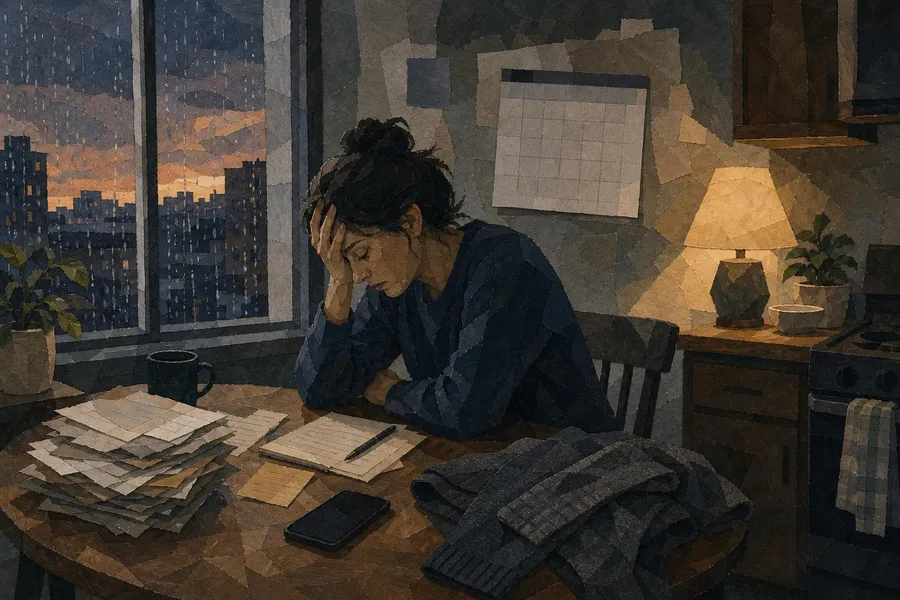
What is burnout? Burnout is a work-related pattern of chronic stress that has not been successfully managed, often showing up as exhaustion, mental distance from work, and a lower sense of effectiveness. The burnout signs that are easy to miss in daily life are usually subtle: needing more time to recover, snapping at people, sleeping poorly, feeling numb, or losing interest in tasks you used to handle well. This guide explains how burnout can appear before it disrupts your job performance, relationships, and motivation, and how to respond early with practical steps that fit everyday life in the United States.
Quick summary
Burnout often starts with small shifts in energy, sleep, patience, motivation, and focus before it becomes obvious.
It is not the same as having a busy week. The key pattern is ongoing strain with poor recovery.
Early signs can look like procrastination, irritability, Sunday dread, feeling detached, or needing caffeine just to function.
Helpful responses include restoring sleep, setting work boundaries, reducing unnecessary demands, asking for support, and taking symptoms seriously.
If burnout symptoms overlap with depression, anxiety, substance use, panic, or thoughts of self-harm, professional support is important.
Why subtle burnout signs are so easy to overlook
Burnout rarely arrives as one dramatic moment. More often, it builds through repeated days of high demand, low control, limited recovery, unclear expectations, or emotional strain. In the United States, many people normalize long hours, after-hours messages, side gigs, caregiving responsibilities, and constant availability. That makes early warning signs easy to explain away as “just a busy season.”
The problem is that your body and attention usually notice strain before your calendar does. You may still meet deadlines, answer emails, pay bills, and show up for family, while feeling increasingly depleted underneath. Because you are still functioning, the change can seem minor. But small changes that persist for weeks can be useful signals.
A practical way to think about burnout is this: it is not only about how much you work, but whether your effort is matched by recovery, meaning, support, fairness, and a realistic workload. When those supports are missing, even capable and committed people can start to feel drained, detached, and ineffective.
Common burnout signs that do not always look like burnout
Subtle sign | How it may show up | Why it matters |
|---|---|---|
Lower energy | Feeling tired after normal tasks or needing more caffeine than usual | Your recovery may not be keeping up with your demands |
Shorter patience | Snapping at coworkers, family, customers, or yourself | Emotional regulation often weakens when stress is prolonged |
Sleep changes | Waking at 3 a.m., sleeping longer but still feeling tired, or dreading bedtime | Poor sleep can intensify fatigue, mood changes, and concentration problems |
Loss of interest | Feeling indifferent about work you used to care about | Detachment is one of the core ways burnout can appear |
Focus problems | Rereading messages, making small mistakes, or avoiding decisions | Sustained stress can reduce attention and mental flexibility |
Energy and sleep changes that may point to burnout
One of the earliest burnout signals is a change in your baseline energy. You may still get through the day, but everything takes more effort. A grocery run feels like a project. A meeting that used to be routine feels draining. You may start saving all your energy for work and have little left for friends, exercise, hobbies, or basic chores.
Sleep that does not feel restorative
Burnout can interfere with both falling asleep and feeling rested. Some people lie awake replaying conversations or worrying about tomorrow’s workload. Others sleep more on weekends but never feel fully restored. If your body is resting but your mind remains on alert, sleep may stop doing its usual repair work.
A heavier reliance on quick fixes
Another easy-to-miss sign is leaning harder on caffeine, takeout, alcohol, scrolling, or late-night TV to push through or shut down. None of these habits automatically means burnout, but a noticeable increase can suggest that your daily demands are exceeding your usual coping capacity.
Emotional signs: irritability, numbness, and a shorter fuse
Burnout is not always sadness. It can look like annoyance, cynicism, emotional flatness, or a sense that everyone needs something from you. You might feel irritated by normal requests, less patient with customers or clients, or unusually critical of coworkers. At home, you may withdraw because conversation feels like another task.
This emotional shift can be confusing because it may not match your values. You may care about your work and the people around you, yet feel detached from both. That gap can create guilt, which adds another layer of stress.
You feel resentful when someone asks a reasonable question.
You avoid small social interactions because they feel exhausting.
You feel numb after difficult calls, meetings, or caregiving tasks.
You have less empathy than usual and then feel bad about it.
Focus and motivation problems that can be mistaken for laziness
A common hidden sign of burnout is the feeling that your brain is moving through mud. You may reread the same email, delay a task you know how to do, or feel overwhelmed by choices that used to be simple. From the outside, this can look like procrastination. Internally, it often feels like mental shutdown.
Motivation may also shift. Instead of feeling engaged, you may operate on urgency, fear of disappointing others, or the need to keep your job. The work may still matter, but your access to that sense of meaning is reduced. This is why telling yourself to “just try harder” often fails. Burnout is usually not solved by more pressure.
The Sunday dread pattern
Many people notice burnout first on Sunday afternoon or the night before a shift. The issue is not simply disliking Mondays. It is a physical and emotional reaction to returning to a demand cycle that feels unmanageable. If dread regularly consumes your time off, that is information worth taking seriously.
How to tell burnout from ordinary stress
Ordinary stress often improves when the pressure eases. Burnout tends to linger even after a deadline passes or a weekend arrives. Stress can feel like having too much to do. Burnout can feel like having too little internal fuel to do it, even when you technically have the time.
Ask whether the pattern has lasted more than a couple of weeks and is becoming your new normal.
Notice whether rest helps. If time off barely changes your exhaustion, the strain may be deeper than a busy week.
Look for detachment. Feeling cynical, numb, or disconnected from work can be a key clue.
Check whether your performance, relationships, or health habits are slowly changing.
A useful early warning question is: “Am I tired because today was hard, or am I tired because my life no longer gives me enough recovery?”
What to do when you notice early burnout signs
Early burnout is easier to address than severe burnout. The goal is not to redesign your entire life in one weekend. Start by reducing the gap between what is being demanded of you and what you can sustainably give. That may involve personal habits, but it often also requires workplace conversations and practical boundary setting.
Practical first steps
Name the pattern clearly: fatigue, irritability, poor sleep, detachment, or difficulty focusing.
Choose one recovery anchor, such as a consistent bedtime, a real lunch break, or a 20-minute walk after work.
Reduce low-value demands by declining optional commitments or delaying nonurgent tasks.
Set a communication boundary, such as no routine work email after a specific evening hour when possible.
Talk with a manager, HR contact, union representative, mentor, or trusted colleague if workload or role confusion is driving the strain.
If you have access to an Employee Assistance Program, mental health benefits, paid time off, flexible scheduling, or medical leave options, consider using them before you hit a breaking point. In the U.S., benefits vary widely by employer, state, and insurance plan, so it is worth checking your employee handbook, HR portal, or health plan details.
When burnout signs need professional support
Burnout is work-related, but it can overlap with health conditions that deserve care. Persistent fatigue, sleep disruption, appetite changes, frequent headaches, panic symptoms, heavy alcohol or drug use, or loss of interest in most areas of life are reasons to talk with a primary care clinician or licensed mental health professional. Medical issues such as anemia, thyroid problems, sleep apnea, medication effects, depression, and anxiety can also affect energy and focus.
Get urgent help if you feel at risk of harming yourself or someone else, feel unable to stay safe, or are in emotional crisis. In the United States, you can call or text 988 for the Suicide & Crisis Lifeline, or call 911 or go to the nearest emergency room if there is immediate danger.
What are the most overlooked signs of burnout?
The most overlooked signs include lower energy, irritability, poor sleep, loss of interest, trouble focusing, social withdrawal, and relying more on caffeine, alcohol, or scrolling to get through the day.
Can burnout happen even if I like my job?
Yes. People can feel burned out in meaningful jobs when demands stay high and recovery, control, recognition, staffing, or support are too limited.
How is burnout different from ordinary stress?
Stress often improves when pressure decreases. Burnout tends to persist and includes exhaustion, detachment, and a reduced sense of effectiveness.
Can remote workers experience burnout?
Yes. Remote work can reduce some stressors, but it can also blur boundaries, increase isolation, and make it harder to fully disconnect from work.
Is burnout a medical diagnosis?
Burnout is recognized by the World Health Organization as an occupational phenomenon, not as a medical disease. However, symptoms can overlap with medical or mental health conditions that may need professional care.
What should I do first if I think I am burning out?
Start by identifying the strongest pattern, such as sleep loss or workload overload, then make one concrete change. Examples include setting an email cutoff, taking real breaks, using paid time off, or asking for workload clarification.
Can taking a vacation fix burnout?
A vacation can help with short-term recovery, but burnout often returns if the workload, boundaries, staffing, or emotional demands stay the same.
When should I seek help for burnout symptoms?
Seek help if symptoms last for weeks, affect your health or relationships, or include depression, anxiety, substance use, panic, or thoughts of self-harm.
Conclusion
The burnout signs that are easy to miss in daily life are often the quiet ones: feeling less patient, needing more recovery, sleeping poorly, losing interest, or finding routine tasks harder than they should be. These signs do not mean you have failed. They mean your system may be carrying more demand than it can sustainably manage.
Paying attention early gives you more options. You can adjust boundaries, protect sleep, reduce unnecessary commitments, ask for support, and address workplace conditions before burnout becomes more disruptive. If symptoms are persistent, intense, or tied to safety concerns, professional support is a wise next step.
Sources
World Health Organization: Burn-out an occupational phenomenon
Centers for Disease Control and Prevention, NIOSH: Stress and Work
American Psychological Association: 2024 Work in America Survey
U.S. Department of Health and Human Services: Surgeon General’s Framework for Workplace Mental Health and Well-Being
Substance Abuse and Mental Health Services Administration: Crisis Help and 988 Suicide & Crisis Lifeline